
How Long Is 1 Inch?
One inch equals 2.54 centimeters, plain and simple.
It’s a small unit, but it shows up everywhere in daily life.
Most people picture a ruler marking when they hear “1 inch,” but that’s not always helpful.
You need something you can touch and see without grabbing a measuring tool.
That’s exactly what this guide gives you.
Real objects, real sizes, no guesswork needed.
11 Common Things That Are 1 Inch Long
You don’t need a tape measure to understand 1 inch anymore.
Everyday items sitting in your house, car, or office already match this size.
Below are 11 objects that hit close to the 1 inch mark.
Some are spot on, others are just a hair off, and we’ll tell you which is which.
This list works great for DIY projects, school lessons, or quick online shopping checks.
Let’s break down each one so you know exactly what you’re picturing.
also read:14 Common Things That Are 12 Inches Long (The Ultimate Everyday Size Guide)
Quick Comparison Table
Sometimes a table says it faster than paragraphs ever could.
Here’s every object from this guide lined up with its real, exact size so you can compare them at a glance.
| Object | Actual Size |
| Adult Thumb Width | ≈ 1 inch |
| Standard Paperclip (short side) | 0.97 inches |
| Plastic Bottle Cap (diameter) | 1.18 inches |
| US Quarter Coin (diameter) | 0.955 inches |
| Lego Brick, 2×2 (one side) | 0.63 inches |
| Standard Dice (one side) | 0.63 inches |
| Jumbo Dice (one side) | 1 inch or more |
| Shirt/Jacket Button | 0.7 to 1 inch |
| Credit Card Chip Area | ≈ 0.5 to 0.6 inches |
| Office Staple (opened) | 0.75 to 1 inch |
| House Key Head | 0.9 to 1 inch |
| Matchstick (head to near end) | ≈ 1 inch |
| AA Battery (diameter) | 0.57 inches |
| Wooden Pencil (diameter) | 0.28 inches |
1. The Width of an Adult Thumb
Your thumb is probably close to 1 inch wide right now.
Go ahead, check it against a ruler if you have one nearby.
This is the oldest trick in the book for quick size estimation.
Tailors and carpenters have used thumb width for centuries before rulers were common.
It’s not exact since everyone’s hands differ slightly.
But for a fast visual comparison, your thumb does the job well.
2. A Standard Paperclip (Short Side)
A regular paperclip measures about 0.97 inches on its shorter side.
That’s close enough to call it a solid 1 inch reference.
You’ll find these in every office, school bag, and junk drawer.
Because they’re so common, paperclips make a handy everyday measurement tool.
Next time you’re holding one, notice how close it really is.
It’s a small object that teaches a big lesson about size.
3. A Bottle Cap (Diameter)
A standard plastic bottle cap measures roughly 1.18 inches across.
It’s a bit bigger than 1 inch, but still a fair size comparison for quick estimates.
Soda bottles, water bottles, and juice containers mostly use this same cap size.
That means you’ve got a size reference sitting in your fridge right now.
Metal bottle caps, like the kind on glass soda bottles, run slightly smaller at about 1 inch.
So depending on the bottle, you might be holding an almost perfect example.
4. A US Quarter Coin (Almost 1 Inch)
A US quarter has a diameter of exactly 0.955 inches.
That’s just under 1 inch, making it a near perfect coin size comparison.
Coins are great because almost everyone has one in their pocket or wallet.
No searching required, just reach into your pocket and you’ve got your example.
This tiny gap between 0.955 and a full inch barely matters for everyday guessing.
It’s close enough that most people round it up without a second thought.
5. The Width of a Lego Brick (2-Stud Side)
A standard 2×2 Lego brick measures about 0.63 inches per side, not a full inch.
That means this one’s smaller than most people assume, so let’s set the record straight.
If you line up three studs in a row, you get closer to 0.94 inches, nearly matching 1 inch.
That’s the real comparison worth remembering for Lego brick measurements.
Parents and builders often reach for Legos as a size reference because kids already have them at home.
Just remember it takes about three studs lined up to hit that 1 inch mark, not one single brick.
6. A Dice (One Side)
Most standard dice used in board games measure about 0.63 inches per side, not a full inch like people often think.
This is one of the most common size comparison mistakes floating around online.
Jumbo dice, the kind used for yard games or novelty sets, can measure a full inch or more per side.
So if you’re picturing a regular Yahtzee die, it’s actually smaller than an inch.
Knowing this difference helps you avoid mixing up small and large dice sizes.
It’s a small correction, but it makes a real difference for accuracy.
7. A Small Button
Shirt and jacket buttons usually measure between 0.7 and 1 inch across, depending on the garment.
Larger coat buttons can hit the full inch mark, while shirt buttons run a touch smaller.
This makes buttons a flexible clothing measurement reference for sewing projects.
Grab a few buttons from your closet and you’ll notice the range right away.
Craft stores also sell buttons labeled by size, often in millimeters or inches.
Checking that label gives you an instant, no guessing comparison.
8. The Width of a Credit Card Chip Area
The chip embedded in a credit card measures close to 0.5 inches wide, smaller than a full inch.
But the surrounding gold or silver chip housing, including the border, stretches closer to 0.55 to 0.6 inches.
While this isn’t a perfect 1 inch match, it’s still useful for picturing smaller measurements.
Pull out any card with a chip and you’ve got two size references in one object.
Credit cards themselves measure 3.37 inches long, giving you a bigger reference too.
So one card in your wallet actually gives you multiple size comparison points.
9. The Length of a Staple (Opened)
A standard office staple, once opened flat, measures close to 0.75 to 1 inch depending on the staple size.
Heavy duty staples used for thicker paper stacks run closer to the full inch mark.
Regular staples found in most desk staplers land just under an inch when unbent.
That makes them a decent office supply comparison for smaller measurements.
Try opening one from your stapler and laying it flat on a ruler.
You’ll see how close everyday office supplies get to this common size.
10. A Small Key Head
The head of many house or locker keys measures close to 0.9 to 1 inch wide.
Car keys and larger fob style keys tend to run bigger than basic house keys.
Since almost everyone carries keys daily, this makes for an easy on the go size reference.
No need to dig through drawers, just check your keychain.
Different key brands and lock types change this measurement slightly.
But most standard house keys land close enough to call it a solid 1 inch example.
11. A Matchstick (Head to Near End)
A standard matchstick measures about 2 inches in total length.
The match head itself, plus a short section below it, measures close to 1 inch.
This makes it useful for visualizing smaller inch based measurements, not the full stick.
Think of it as half a matchstick rather than the whole thing.
Matchsticks vary by brand and country, so this isn’t a perfect universal standard.
Still, it’s a fun household item comparison for picturing smaller lengths.
also read:2 Inches: 18 Everyday Items That Help You Visualize Measurement
AA Batteries: An Extra Everyday Comparison
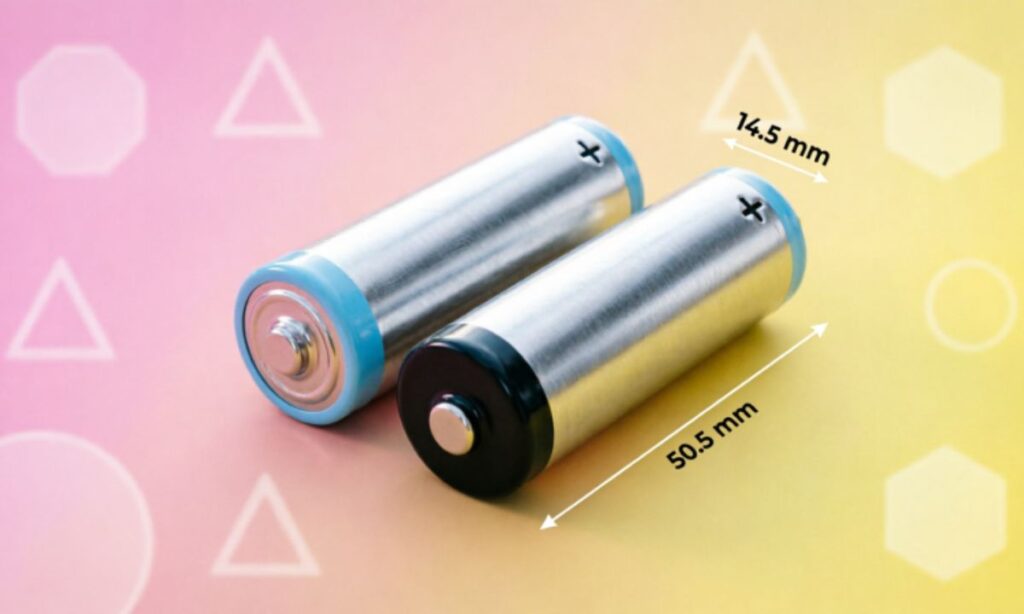
An AA battery measures about 1.97 inches long and roughly 0.57 inches in diameter.
While the full battery is longer than 1 inch, the diameter comes close to half that size.
This one’s worth mentioning because batteries sit in nearly every home already.
Remotes, flashlights, toys, they’re everywhere, making this comparison super accessible.
If you stack two AA battery diameters side by side, you land close to 1 inch total.
It’s a clever trick for picturing this measurement using something you already own.
A Standard Pencil’s Diameter
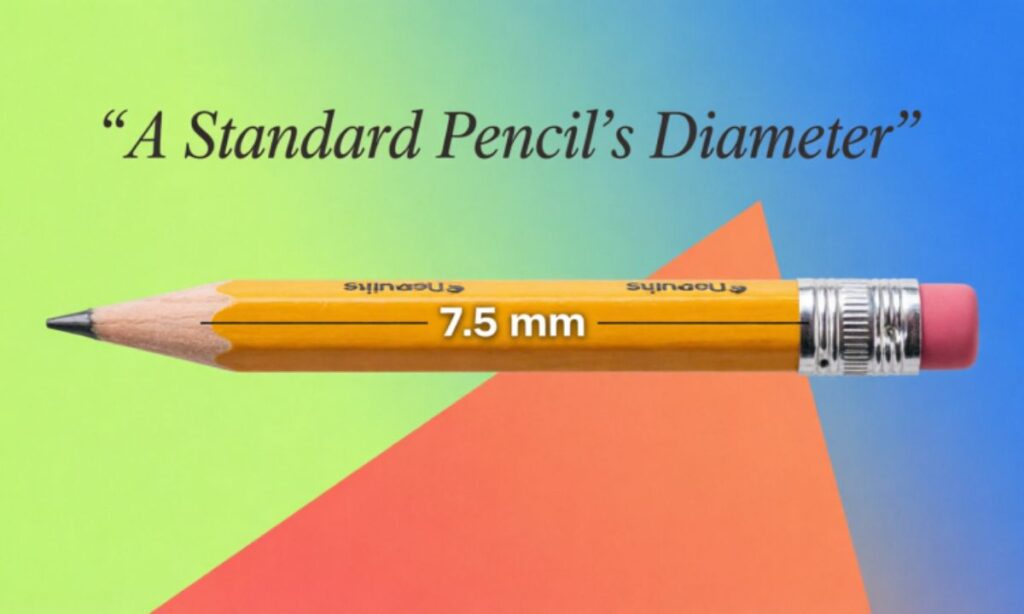
A regular wooden pencil measures about 0.28 inches across, much smaller than a full inch.
But if you line up three or four pencils side by side, you get close to that 1 inch mark.
This comparison works well for classrooms and kids learning about measurement for the first time.
Pencils are cheap, common, and easy to grab for a hands on lesson.
Try this at home with your kids or students for a simple, screen free activity.
It turns an abstract number into something they can actually see and touch.
Why Knowing 1 Inch Matters
Understanding this measurement saves time on projects big and small.
You won’t need to stop and search for a ruler every single time.
This skill helps with DIY projects, sewing, crafting, and even online shopping.
Ever ordered something online that turned out way smaller than expected? Knowing real world size references fixes that problem fast.
Teaching kids this concept also builds early math and measurement skills.
Give them a dice or Lego brick and let them feel the size for themselves.
Small measurement mistakes can throw off an entire project.
Whether you’re hanging a picture frame or picking a phone case, accuracy here actually matters.
Quick Memory Tip

Think of your thumb width or a quarter coin whenever you need a fast 1 inch check.
Both are things you already carry around every single day.
Locking in just one or two comparisons makes the whole concept stick in your brain.
You won’t need to memorize a list, just one solid reference point.
Next time someone mentions an inch, you’ll have an instant mental picture ready to go.
That’s the whole point of learning through real objects instead of numbers alone.
FAQs About 1 Inch Comparisons
What household item is closest to exactly 1 inch?
A metal bottle cap or an opened standard staple both land very close to a true 1 inch measurement.
Is a US quarter exactly 1 inch?
No, a quarter measures 0.955 inches, just slightly under a full inch.
Are dice really 1 inch per side?
Only jumbo or novelty dice hit a full inch. Standard board game dice measure closer to 0.63 inches per side.
Why do Lego bricks not measure a full inch?
A single 2×2 Lego brick measures about 0.63 inches. You need roughly three studs in a row to reach close to 1 inch.
Final Thoughts
Small measurements cause big confusion more often than people admit.
But once you’ve got a few solid, everyday comparisons locked into memory, that confusion disappears.
From a thumb width to a quarter coin, you now have several reliable ways to picture 1 inch without ever needing a ruler.
Try testing a few of these objects around your house today and see how close they really measure up.
Got a favorite size comparison trick of your own? Drop it in the comments and share it with others trying to picture this same measurement.