
Do you want to know what 175 degrees Celsius feels like in real life? This temperature sits right in the middle of most baking recipes. It is warm enough to cook food fast but safe enough to avoid burning it.
Many ovens use 175 degrees Celsius as a standard setting for cakes, cookies, and roasted veggies. It helps food cook evenly from the inside out. This makes it a go to number for home cooks and bakers.
If you are converting from Fahrenheit, 175 degrees Celsius equals about 347°F. Knowing this simple number can save your next recipe from turning out too dry or too raw. It is a small detail that makes a big difference in the kitchen.
What is 175°C in Fahrenheit?
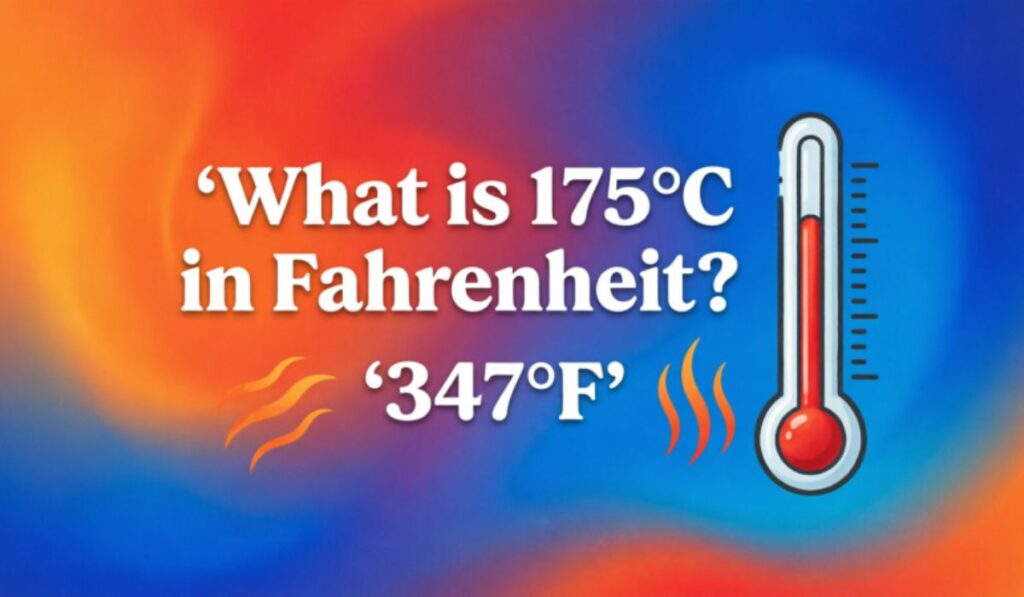
Let’s keep this simple. 175°C in Fahrenheit works out to 347°F, and that’s the exact, no rounding, math checks out answer.
Recipes from the UK, Australia, Pakistan, or pretty much anywhere outside the US love using Celsius, while American recipes stick to Fahrenheit. That’s the whole reason this mix up happens in kitchens every single day.
Think of it like currency. Someone hands you a price in euros and you need dollars before you can decide if it’s a good deal. Temperature conversion works the exact same way, just with heat instead of money.
The Celsius to Fahrenheit Formula Explained
Here’s the actual math, and don’t worry, it’s easier than it looks.
°F = (°C × 9 ÷ 5) + 32
Plug in 175 and you get 175 times 9, which is 1575. Divide that by 5 and you land on 315. Add 32 and you get 347°F.
You don’t need a calculator app or a fancy temperature converter tool for this. Once you’ve done it a couple times, the Celsius to Fahrenheit formula just sticks in your head like a jingle you can’t forget.
This same trick works for oven temps, weather reports, or even science homework. It’s one of those math skills that quietly pays off for life.
ALSO READ THIS:What is 175 Degrees Celsius in Fahrenheit?
Why Recipes Round 347°F to 350°F

Nobody sets their oven to exactly 347°F because most dials just don’t go there.
Household ovens are usually built in jumps of 5 or 10 degrees, so 350°F becomes the natural stand in. It’s close enough that your cake, cookies, or casserole won’t know the difference.
Here’s a fun fact. Most home ovens swing up or down by 10 to 15 degrees on their own while running. So worrying about a 3 degree gap is like stressing over a penny when you’re missing a dollar.
Baking temperature accuracy matters way less than people assume. What actually matters more is:
● Preheating properly before food goes in
● Not opening the oven door every two minutes
● Using the middle rack for even heat
Get those right and 347°F versus 350°F becomes a total non issue.
Understanding Celsius vs Fahrenheit
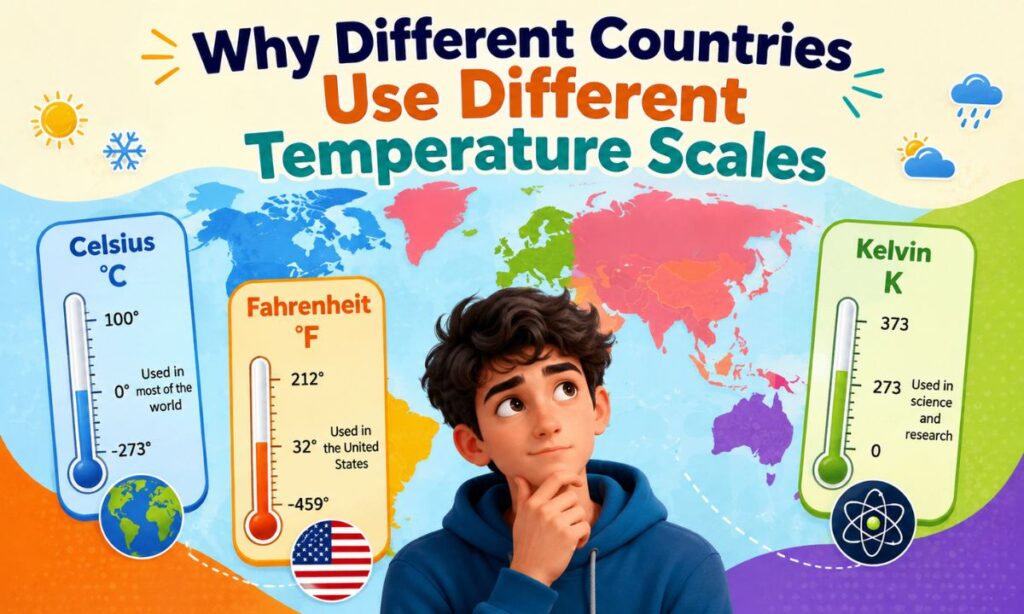
The Celsius scale is part of the Metric System, which is what most of the world runs on for weather, science, and cooking. Water freezes at 0°C and boils at 100°C, clean and simple.
The Fahrenheit scale is mostly an American thing these days. Water freezes at 32°F and boils at 212°F, which feels a lot less intuitive once you’re used to Celsius.
Here’s a quick cheat sheet worth screenshotting:
● 0°C equals 32°F, freezing point of water
● 20°C equals 68°F, comfortable room temperature
● 100°C equals 212°F, boiling point of water
● 175°C equals 347°F, your moderate baking zone
Neither scale is better, they’re just two different rulers measuring the same heat. Kind of like how some people say soda and others say pop, same thing, different label.
Is 175°C a Moderate Oven Temperature?
Yes, 175°C sits right in that sweet spot bakers call a moderate oven temperature.
It’s hot enough to cook food through, but gentle enough that your cake won’t burn on top while the middle stays raw. That balance is exactly why so many recipes default to this number.
Professional kitchens usually break oven heat into rough zones like this:
● Low oven: around 120°C to 150°C
● Moderate oven: around 170°C to 180°C
● Hot oven: around 190°C to 220°C
● Very hot oven: above 220°C
175°C lands smack in the middle of that moderate zone, which makes it a safe go to setting for beginners and pros alike.
Foods Commonly Baked at 175°C
This temperature shows up everywhere once you start noticing it. It’s basically the workhorse setting of the baking world.
Below are the most common dishes that turn out great at 347°F, plus a couple you might not have thought of.
Cakes
Chocolate cake, vanilla cake, and sponge cake all love this temperature. The gentle heat lets the batter rise slowly instead of doming and cracking on top.
You end up with a soft, moist crumb instead of a dry, overcooked edge. That’s the whole magic of moderate baking.
Cookies and Brownies
Soft cookies come out chewy in the middle with just enough crisp around the edges. Brownies develop that shiny, crackly top everyone fights over.
Fair warning though, they tend to disappear from the cooling rack faster than you’d expect. That’s just a fact of life in most kitchens.
Muffins and Cupcakes
Muffins and cupcakes need a slow, steady rise to get that classic rounded top. Blast them with too much heat and they’ll crack or dome weirdly.
At 175°C, the batter climbs evenly and the crumb stays tender instead of rubbery.
Banana Bread and Quick Breads
Dense batters like banana bread need time for the center to actually cook through. Too hot and the outside burns before the inside is done.
This moderate heat gives the loaf enough time to bake evenly without drying out the crust.
Pasta Bake and Casseroles
Comfort food classics like pasta bake and casseroles need heat that cooks through without scorching the cheesy top layer. 175°C does exactly that.
You get a lightly golden top with everything underneath fully heated and melty.
Roasted Vegetables
Carrots, potatoes, zucchini, and cauliflower all caramelize nicely at this temperature. The outside gets a gentle char while the inside stays tender, not mushy.
It’s a solid go to setting whenever you’re not sure what temp to pick for veggies.
Pizza Dough and Bread Rolls
This one surprises people, but soft bread rolls and homemade pizza dough with a thicker crust actually do well here too. The slower bake lets the dough puff up nicely without the outside hardening too fast.
If you want a soft, pillowy roll instead of a crusty one, this temperature is your friend.
Pies and Tarts
Custard based pies and delicate tarts need gentle, even heat so the filling sets without curdling or cracking. 175°C gives you that slow, steady cook.
It’s a favorite among home bakers who’ve had one too many cracked pumpkin pies from ovens running too hot.
Why Different Countries Use Different Temperature Scales
Ever wonder why your favorite recipe blog from London uses totally different numbers than your grandma’s cookbook from Texas? It comes down to history and geography, nothing more mysterious than that.
Countries like France, Germany, Australia, Pakistan, Italy, and Canada all use Celsius as their standard. The United States is one of the few holdouts still running on Fahrenheit for everyday cooking.
So someone baking banana bread in Lahore sets their oven to 175°C, while someone in Dallas sets theirs to 350°F. Same bread, same result, just different numbers on the dial.
It’s kind of like how some countries drive on the left and others on the right. Different systems, same destination.
Temperature Conversion Chart
Keeping a quick reference chart taped inside a cabinet door can save you a lot of googling mid recipe.
| Celsius | Fahrenheit | Common Use |
| 160°C | 320°F | Gentle baking |
| 170°C | 338°F | Cakes and biscuits |
| 175°C | 347°F | Moderate baking |
| 180°C | 356°F | Cookies and roasting |
| 190°C | 374°F | Faster baking |
| 200°C | 392°F | Roasting meats and veggies |
This works as a handy oven temperature chart for anyone who bakes recipes from different countries regularly. Bookmark it, screenshot it, whatever keeps it close by.
Scientific and Industrial Uses of Temperature Conversion
Baking isn’t the only place this matters, not even close. Temperature measurement is a big deal in fields way outside the kitchen.
Industries like manufacturing, engineering, electronics production, and metal treatment rely on precise measurement standards every single day. A tiny conversion error in a factory setting can mean a defective product or a failed safety test.
Scientists and engineers working across countries constantly convert between Metric and Imperial units to keep equipment specs lined up correctly. It’s the same math you just learned for your cake, just with way higher stakes.
So next time you convert 175°C to 347°F, know that you’re using the exact same skill that keeps airplane parts and medical devices accurate around the world.
Quick FAQs
What is 175°C in Fahrenheit?
It’s 347°F, and most people round it to 350°F for baking.
Should I use 347°F or 350°F?
350°F is totally fine and honestly the more practical choice for home ovens.
Is 175°C good for baking?
Yes, it’s considered a moderate temperature that works for most everyday baking.
How hot is 175°C really?
It’s warm enough to cook food through without burning the outside, a nice middle ground.
Why do so many recipes use 175°C?
Because most of the world bakes in Celsius, and this number happens to be the sweet spot for even cooking.
Conclusion
So there you have it, 175°C equals 347°F, and rounding it to 350°F is basically the universal kitchen shortcut.
That small gap won’t wreck your cake, your cookies, or your Sunday roast, so bake with confidence next time you spot this number.
Once you get comfortable with this one conversion, reading recipes from anywhere in the world stops feeling like a math test and starts feeling normal.
Got a favorite recipe that uses 175°C? Drop it in the comments, we would genuinely love to see what you are baking.